

Winterize Your Home’s Exterior: The Complete Colorado Checklist
What's the most important exterior task before a Colorado winter? A roof and gutter inspection is generally the highest priority, since problems in either one can lead to ice dams and water intrusion, which tend to cause the most expensive damage if left unaddressed through winter.

When Is the Best Time of Year to Replace Windows in Colorado?
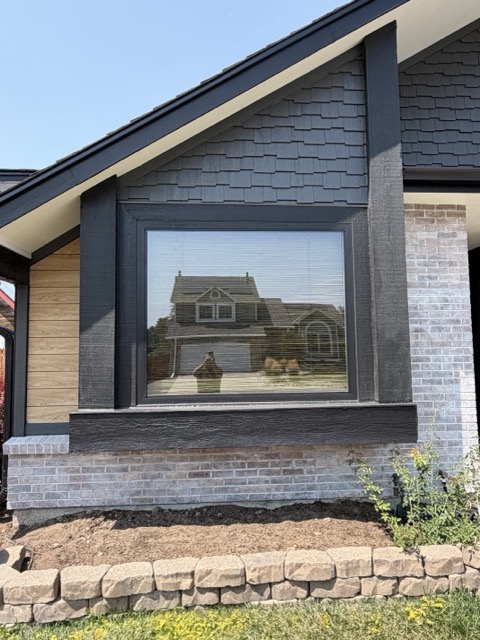
Window replacement isn't just about picking a style and ordering glass. The sealants and caulk that make a new window airtight need a certain temperature range to cure correctly, and Colorado's wide temperature swings, sometimes 30 to 40 degrees in a single day, can work against that if a project isn't planned carefully.

What Are the Signs I Need New Gutters Before Winter?
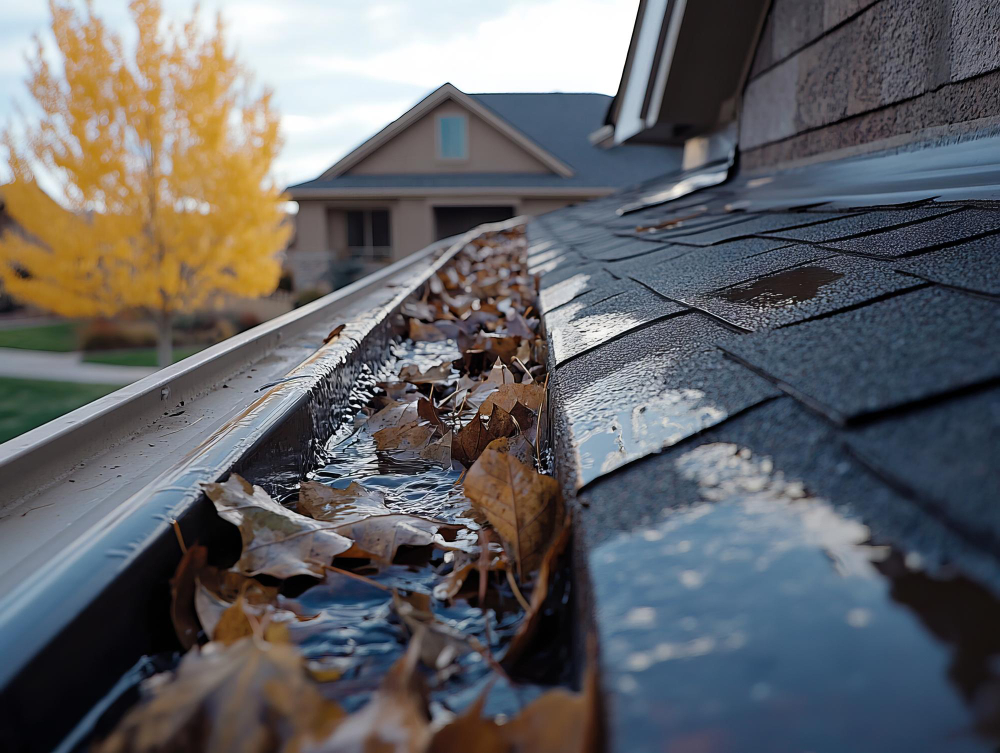
: The clearest signs you need new gutters are visible cracks or splits, gutters pulling away from the fascia, water pooling or overflowing during rain instead of draining, peeling paint or water stains on the siding beneath them, and gutters at or past their typical 20-year lifespan.