
Signs You Need New Gutters
|
Quick answer: The clearest signs you need new gutters are visible cracks or splits, gutters pulling away from the fascia, water pooling or overflowing during rain instead of draining, peeling paint or water stains on the siding beneath them, and gutters at or past their typical 20-year lifespan. Any of these left unaddressed through a Colorado winter can let water freeze, expand, and cause damage to the gutters, fascia, and siding behind them. |
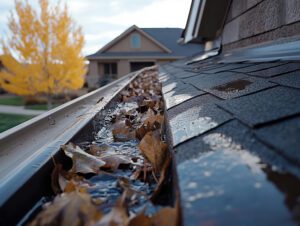 Why Gutter Condition Matters Especially Before a Colorado Winter
Gutters that can’t properly channel water away from your home become a liability once temperatures drop. Water that pools or backs up in a damaged gutter freezes, expands, and can pull fasteners loose, crack the gutter further, or contribute to ice dams at the roofline. A problem that’s a minor annoyance in October can turn into a bigger repair by February.
Signs To Look For
Visible Cracks or Splits
Small cracks tend to grow, especially once water gets into them and freezes. A gutter with multiple cracks or a split seam is generally past the point where a simple patch makes sense.
Gutters Pulling Away From the Fascia
Gutters that have visibly separated from the roofline, or that sag between hangers, aren’t pitched correctly anymore, which means they aren’t draining the way they’re supposed to.
Water Pooling or Overflowing During Rain
If you notice water spilling over the sides during a rainstorm rather than flowing through the downspout, that’s a sign of either a clog or a gutter that’s no longer sized or sloped correctly for your roof.
Peeling Paint or Water Stains Beneath the Gutters
Streaking, staining, or peeling paint on the siding just below a gutter section usually means water has been overflowing or leaking at that spot for a while, not just during the last storm.
Rust, Orange Streaking, or Visible Corrosion
On steel or older aluminum gutters, rust spots or orange streaking are a sign the material itself is breaking down, not just a cosmetic issue.
Mildew, Mold, or Foundation Issues Nearby
Water that isn’t being properly directed away from the house can pool near the foundation, contributing to mildew, mold, or even foundation settling over time. If you’re seeing those signs at ground level, it’s worth checking whether the gutters above are the cause.
Age: Most Gutters Have a 20- to 25-Year Lifespan
As a general industry benchmark, aluminum gutters typically last around 20 to 25 years with reasonable maintenance, while older steel or vinyl gutters may need replacement sooner. If your gutters are original to a home built decades ago and haven’t been replaced, age alone is worth a look even without obvious damage.
Repair vs. Replace: How to Decide
A single loose hanger, a minor clog, or one small section with a leak is often a reasonable repair. Multiple problem areas, structural sagging, or gutters that are simply old and undersized for how much water your roof sheds during a Front Range storm usually point toward full replacement being the more cost-effective choice over patching the same sections repeatedly.
How HRTI Approaches Gutter Work
Gutters are closely tied to how well your roof and siding perform, so HRTI evaluates them as part of a full exterior inspection rather than in isolation. If your roof is due for replacement, that’s often the most efficient time to address gutters at the same time, since both projects involve the same rooflines and access.
See our Roofing service page, or our Storm Damage & Free Inspections page if hail or wind is the reason your gutters are showing damage.
Frequently Asked Questions
How long do gutters typically last?
As a general industry benchmark, aluminum gutters last roughly 20 to 25 years with routine maintenance, while steel or older vinyl gutters often need replacement sooner. Hail damage can shorten that lifespan significantly regardless of material.
Can hail damage gutters even if I don’t see obvious dents?
Yes. Hail can crack seams, loosen fasteners, or create small punctures that aren’t as visually obvious as a dented downspout but still affect how well the gutter drains. A professional inspection can catch damage that’s easy to miss from the ground.
Should I replace my gutters before or after a roof replacement?
It’s usually most efficient to address them together, since both projects involve the same access and rooflines. If your roof already needs replacement, that’s a good time to evaluate whether your gutters do too.
Can I just repair a section of damaged gutter instead of replacing the whole system?
Sometimes, if the damage is isolated to one section and the rest of the system is in good condition. Widespread sagging, multiple cracks, or gutters near the end of their typical lifespan usually make full replacement the more practical choice.
Does HRTI offer free gutter inspections?
HRTI evaluates gutter condition as part of a free exterior estimate or storm-damage inspection, so you can get a straight answer on repair versus replacement before committing to either.
HRTI: Windows, Doors, Siding, Painting & Roofing, Done Right, From the Studs Out
HRTI has been a full-service exterior remodeling contractor in the Denver metro area and foothills since 1972. Whatever brought you to this page (a siding repair, a re-roof, new windows, or an exterior paint job), our crews inspect what’s behind the surface (sheathing, flashing, moisture barriers, framing) before we ever touch the finish material, because the finish is only as good as what it’s fastened to.
We install and service:
● Windows & Doors: energy-efficient replacement windows and entry/patio doors from Pella, Sierra Pacific, Simonton, Sunrise, Weathershield, and more
● Siding: James Hardie fiber cement, LP SmartSide DiamondKote with RigidStack, vinyl, metal, and specialty wood siding, installed over the correct sheathing every time
● Exterior Painting: full prep, repair of rotted or damaged substrate, and premium Sherwin-Williams coatings
● Roofing: asphalt shingles, synthetic shingles (including DaVinci slate and shake), stone-coated steel, and Class A fire-rated options like CeDUR synthetic shake
Not sure if your gutters need a repair or a full replacement before winter? Call HRTI at 303-984-6159 or email info@hrti.com for a free consultation. You can also reach us anytime through our contact page.