Roof Hail Damage Basics: Signs, Safety, and the First 48 Hours

The first step after a hailstorm is to conduct a visual safety check from the ground and document any obvious damage to your property with photos. Prioritize safety, avoid climbing on a potentially slick or damaged roof, and then schedule a professional inspection to get an honest assessment of the storm’s impact before contacting your insurance company.

Common Roof Hail Damage Mistakes Homeowners Make (and How to Avoid Them)

The hail stops, the sun comes out, and your first instinct is to look at the roof. From the driveway, everything appears intact. There are no missing shingles, no obvious leaks and no signs that your home suffered serious damage.

Does Homeowners Insurance Cover Roof Hail Damage? Policy Coverage Explained

Yes, standard homeowners insurance policies cover roof hail damage, provided the storm compromises the roof's ability to protect your home. The payout you receive depends entirely on whether your homeowners insurance policy offers replacement cost value or actual cash value. Functional damage that causes leaks is almost always covered, while purely cosmetic dents are frequently excluded.

When to file a roof hail damage claim vs wait for the next storm

The best approach to handling roof hail damage is to file a claim immediately after the first storm rather than waiting for another one. Waiting risks claim denial because an insurance adjuster can distinguish between old and new impacts, often refusing to cover pre-existing damage under a new weather event.

How to file a hail roof insurance claim: a step-by-step playbook

Avoid common hail roof claim mistakes. Learn how to document damage, handle adjusters, and navigate RCV vs. ACV payouts to maximize your insurance...

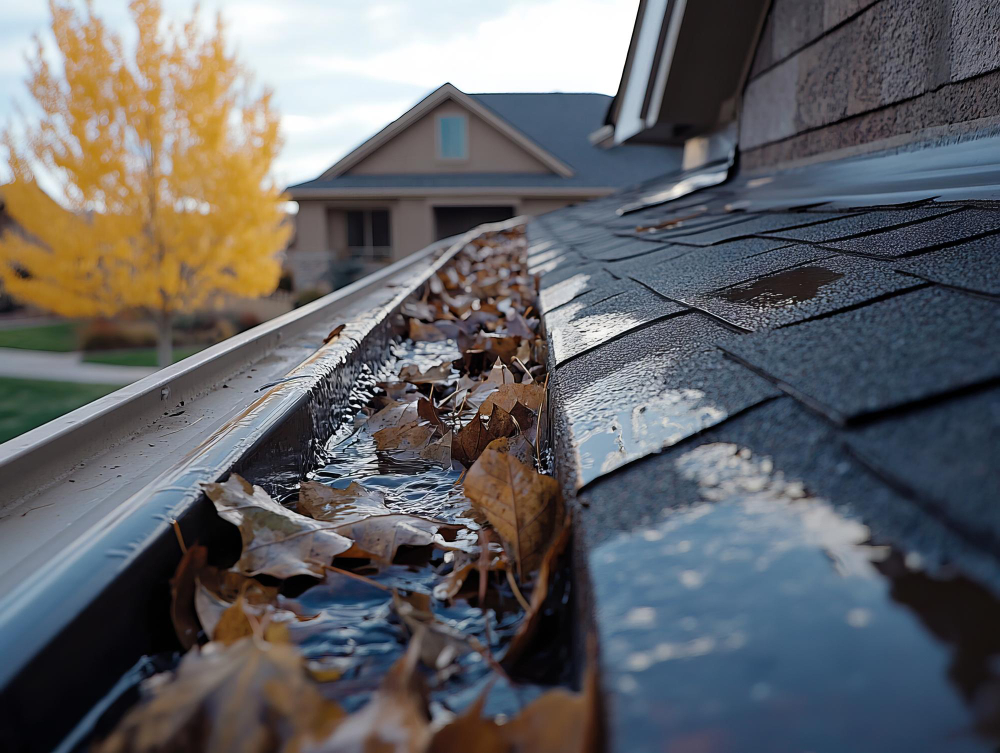
Blame the Roof? Plot Twist: It’s Probably Your Gutters

Why It Might Not Be Your Roof - A real roof leak usually comes from something like damaged shingles, bad flashing, cracked pipe boots, skylight issues, or aging roofing materials.