
How Do I Winterize My Home’s Exterior in Colorado? A Timeline From Late Summer to Spring
 Quick answer: Winterize your Colorado Home’s Exterior on a timeline, not all at once. Denver’s average first freeze is around October 7 and its first measurable snow around October 19, so book professional work like roof checks and exterior repairs by early fall, finish DIY tasks (gutters, caulk, weatherstripping, hoses) before the first freeze, watch for ice dams and heavy snow once winter starts, and do a spring check after the last freeze, around May 5.
Know Your Dates: Denver’s Winter Calendar
The most useful winterizing tool is the calendar. These are the National Weather Service’s average dates for the Denver area:
| Milestone | Average date |
| First freeze | October 7 |
| First measurable snow | October 19 |
| Last measurable snow | April 28 |
| Last freeze | May 5 |
| Average seasonal snowfall | 56.9 inches |
These are averages. Some years the first snow comes weeks earlier or later, and the foothills get winter sooner than the metro area. Use the dates as a deadline to work back from. This guide is about when to do each task; for a service-by-service list, see HRTI’s winterization checklist.
Late Summer to Mid-September: Book the Professionals
Anything that needs a ladder at height, a crew, a permit, or several dry days should be scheduled first. Contractors get busier as the first freeze approaches, and early fall weather is still mild enough for most exterior work.
- Roof inspection: have a professional check for missing, cracked, or curling shingles and damaged flashing before snow and freeze-thaw cycles begin. See HRTI’s Roofing page for materials and options.
- Siding and trim repairs: gaps, cracks, and failed caulk let moisture behind siding, where it can freeze and expand. James Hardie, a siding manufacturer, advises repairing gaps before winter for this reason.
- Window and door replacement: if windows are drafty or have failed seals, fall is a good time to schedule replacement, before heating season is in full swing.
- Exterior painting: paint and caulk products have minimum temperature ranges on the label, so a repaint is easiest while days are still mild.
HRTI can look at all of these in one visit. See our Roofing, Siding, Windows & Doors, and Painting pages.
Mid-September to the First Freeze: DIY Weekend Tasks
These tasks are within reach for many homeowners and are best finished before October 7, the average first freeze.
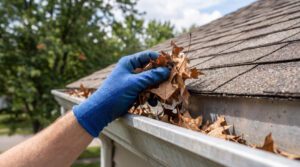
- Clean the gutters and downspouts: clear leaves and debris so melting snow can drain instead of freezing in place. Make sure downspouts carry water away from the foundation.
- Disconnect hoses and shut off outdoor spigots: water left in a hose or spigot can freeze and cause damage. Drain hoses and store them, and shut off any interior valve that serves an outdoor faucet if you have one.
- Caulk small gaps: seal accessible gaps around windows, doors, and where pipes or wires enter the house, while it’s still warm enough for caulk to cure.
- Check weatherstripping and door sweeps: feel for drafts on a windy day and replace worn strips.
- Look over fences, gates, and shutters: tighten loose hardware and posts before snow and wind put stress on them.
- Trim branches near the roof and siding: limbs that rub or hang over the roof can damage it in wind and heavy snow.
If a gutter is sagging or pulled away rather than just clogged, it may be time for a repair or replacement. See HRTI’s Gutters page.
- October to April: Watch What Winter Does
Once the first snow arrives, the job shifts from preparing to monitoring. Winter in Denver brings sunny, warm days after storms, so snow melts and refreezes, and that cycle is hard on roofs, gutters, and siding. - Watch for ice dams: ice building at the roof edge, long icicles, or water stains inside near exterior walls and ceilings can mean melting snow is refreezing and backing up under shingles. Call a professional rather than chipping the ice off yourself.
- Look at the roof after heavy snow: from the ground, check for sagging, new stains inside, or snow sliding unevenly onto gutters and vents.
- Clear paths and vents safely: keep snow off exterior vents, gas meters, and dryer vents, using a soft broom or plastic shovel.
- Check after wind and hail: photograph and report any damage promptly. See HRTI’s Storm Damage page.
Late April to May: The Spring Check
The average last snow is around April 28 and the last freeze around May 5, so spring is when winter’s damage shows up. Walk the exterior and look for cracked or lifted shingles, gutters pulled away from the fascia, new stains on siding or trim, caulk that has split, and windows or doors that no longer close tightly. Fixing small problems now is easier and cheaper than waiting for summer storms to find them.
DIY or Call a Pro?
| Task | Good for DIY? | Why |
| Cleaning gutters (single story) | Usually | Low risk if done from a stable ladder. |
| Caulking accessible gaps | Usually | Simple, but note the product’s temperature range. |
| Weatherstripping and door sweeps | Yes | Inexpensive and quick. |
| Draining hoses and spigots | Yes | Quick, and avoids freeze damage. |
| Roof inspection or repair | Call a pro | Height and safety risks, and small issues are easy to miss from the ground. |
| Siding repairs behind the surface | Call a pro | Rot or failed flashing is easy to underestimate. |
| Window replacement | Call a pro | Installation quality affects drafts and leaks. |
| Ice dam removal | Call a pro | Chipping ice can damage shingles and cause falls. |
Frequently Asked Questions
When should I winterize my home’s exterior in Colorado?
Aim to finish before Denver’s average first freeze, around October 7, and book professional work by early fall. The average first measurable snow is around October 19, but the foothills often see winter earlier.
What is the first thing to do to winterize a house exterior?
Schedule a roof and exterior inspection, since those need a professional and have the longest lead time. Then clean gutters, seal gaps, and drain hoses before the first freeze.
Can I caulk or paint in cold weather?
Only within the product’s stated temperature range. Caulks and paints list a minimum temperature on the label, so check it, and do the work earlier in the fall if you can.
What causes ice dams, and how can I prevent them?
Ice dams form when snow on the roof melts and refreezes at the edge, so water backs up under shingles. Keeping gutters clear and having the roof and attic checked before winter helps. If one has formed, call a professional rather than chipping at it.
How is this guide different from HRTI’s winterization checklist?
The checklist goes through each exterior system, such as roof, gutters, siding, and windows. This guide organizes the work by date, based on Denver’s average freeze and snow dates, and by who should do each task.
Does HRTI inspect homes before winter?
Yes. HRTI can look at roofing, gutters, siding, windows, paint, fencing, and shutters as part of a free estimate and tell you what should be done before winter and what can wait.
HRTI: Windows, Doors, Siding, Painting & Roofing, Done Right, From the Studs Out
HRTI has been a full-service exterior remodeling contractor in the Denver metro area and foothills since 1972. Whatever brought you to this page (a siding repair, a re-roof, new windows, or an exterior paint job), our crews inspect what’s behind the surface (sheathing, flashing, moisture barriers, framing) before we ever touch the finish material, because the finish is only as good as what it’s fastened to.
We install and service:
- Windows & Doors: energy-efficient replacement windows and entry/patio doors from Pella, Sierra Pacific, Simonton, Sunrise, Weathershield, and more
- Siding: James Hardie fiber cement, LP SmartSide DiamondKote with RigidStack, vinyl, metal, and specialty wood siding, installed over the correct sheathing every time
- Exterior Painting: full prep, repair of rotted or damaged substrate, and premium Sherwin-Williams coatings
- Roofing: asphalt shingles, synthetic shingles (including DaVinci slate and shake), stone-coated steel, and Class A fire-rated options like CeDUR synthetic shake
Want a professional to check your exterior before the first freeze? Call HRTI at 303-984-6159 or email info@hrti.com for a free consultation. You can also reach us anytime through our contact page.