
Roof Hail Damage Basics: Signs, Safety, and the First 48 Hours
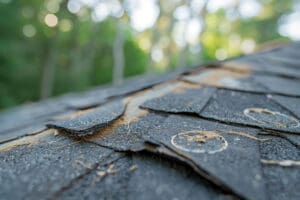 The first step after a hailstorm is to conduct a visual safety check from the ground and document any obvious damage to your property with photos. Prioritize safety, avoid climbing on a potentially slick or damaged roof, and then schedule a professional inspection to get an honest assessment of the storm’s impact before contacting your insurance company.
The sound is unmistakable. First a few taps, then a roar as ice pelts the roof, the windows, and everything outside. When the hailstorm finally passes and an unnerving quiet returns, the first question is always the same: how bad is it? Stepping outside, you see leaves shredded from the trees and small dings on your car’s hood. Your heart sinks a little as you look up at the roof.
From the ground, it’s impossible to tell. Is it fine? Are there a few minor dings? Or is there serious, leak-causing damage that you can’t see? The uncertainty creates a wave of anxiety. You know you need to do something, but the right order of operations is a mystery. Do you call your insurance agent immediately? Do you try to find a roofer? What are you even supposed to be looking for?
This moment of overwhelm is where costly mistakes are made. Acting out of panic without a clear plan can lead to filing an unnecessary claim or, worse, overlooking damage that will cause major problems months down the road. Having a simple, logical checklist for the first 48 hours transforms that anxiety into confident action.
What are the immediate safety steps after a hailstorm?
The hail finally stops, and the silence feels almost unsettling. You step outside and immediately notice shredded leaves, dents on your mailbox and small impacts on your car. Naturally, your eyes move to the roof.
From the ground, it looks perfectly normal.
That’s where many homeowners make their first mistake.
After a major hailstorm, the roof isn’t the only part of the home that may have been damaged. Gutters, siding, window trim, garage doors and other exterior components often show signs of impact before roof damage is ever visible from the ground. Acting too quickly—or not acting at all, can lead to unnecessary insurance claims, overlooked damage or repairs that don’t address the full extent of the storm.
The first 48 hours aren’t about deciding whether you need a new roof. They’re about understanding what actually happened to your home. A calm, systematic inspection gives you the information you need to make confident decisions, whether that means monitoring minor damage or beginning the insurance process with complete documentation.
How can you spot hail damage from the ground?
A ground-level visual inspection can reveal clear evidence of a hail storm’s intensity, even if you can’t see the roof surface itself. Start by checking the more easily visible elements of your home for signs of impact. Look for dents and dings on metal gutters, downspouts, roof vents, and air conditioning units. These objects serve as a reliable proxy for what your shingles endured. If you find significant denting on these metal surfaces, it is highly probable that your roof sustained damage as well and requires a professional look.
Why Looking Beyond the Roof Matters
One of the biggest misconceptions after a hailstorm is believing that if the roof looks fine, the home escaped serious damage.
In reality, many of the earliest signs of storm damage appear somewhere else.
Dented gutters, damaged window screens, chipped paint, cracked siding and impact marks on air conditioning equipment all help tell the story of what happened during the storm. These components not only help determine whether the roof may have sustained hidden damage, but they also become valuable documentation if an insurance claim is necessary.
That’s why experienced exterior restoration professionals evaluate the home as a complete system rather than a collection of individual projects. Understanding the full scope of the damage before repairs begin leads to better decisions, stronger documentation and a more coordinated restoration process.
What should your first 48-hour action plan include?
An organized approach in the first two days after a storm is critical for protecting your property and streamlining any potential insurance claims. This checklist provides a clear sequence of actions with a defined pass/fail condition for proceeding to the next step.
Step 1: Document Everything from the Ground. Take photos of any visible damage to your property, including gutters, siding, windows, and outdoor equipment. Capture a photo of a ruler next to a few hailstones to document their size, if possible. This creates a baseline record of the storm’s impact.
Step 2: Check for Collateral Damage Indicators. Look for dented metal flashing, vents, and gutters. Also, check for a large accumulation of shingle granules in the troughs of your gutters or at the base of downspouts. Decision Rule: IF you find significant denting on metal components OR excessive granule loss, THEN proceed to the next step. If not, continue to monitor for leaks but immediate action may not be required.
Step 3: Schedule a Professional Exterior Inspection. Choose a reputable local contractor who evaluates your home’s complete exterior rather than focusing only on the roof. Hail frequently damages gutters, siding, trim, windows and other exterior components during the same storm. Identifying those issues before filing your insurance claim creates a more complete understanding of the damage and allows repairs to be coordinated as one restoration project instead of several unrelated ones.
Why should you address minor damage sooner rather than later?
Leaving even minor hail damage unrepaired can lead to significant problems over time. Each hailstone impact creates a “bruise” on an asphalt shingle, knocking off the protective granules and exposing the underlying matting to the elements. This exposed area is vulnerable to UV radiation from the sun, which causes the material to become brittle and crack. Over a period of months or a few years, these small cracks can allow water to seep through, leading to slow leaks that cause rot, mold, and costly damage to your home’s interior structure.
Frequently Asked Questions
How can I tell if my roof has hail damage from the ground?
From the ground, look for dented gutters, downspouts, and vents, as these are signs of impact. Also, check for an excessive amount of shingle granules washing out of your downspouts. While you cannot see specific bruising on shingles from the ground, these collateral signs indicate the storm was severe enough to warrant a professional inspection.
What size of hail causes significant roof damage?
Hail that is 1 inch in diameter or larger, roughly the size of a quarter, can cause significant damage to standard asphalt shingles. The combination of hail size, density, wind speed, and the age of your roof all contribute to the overall extent of the damage.
Should I call a roofer or my insurance company first?
It is generally recommended to call a qualified professional for an inspection first. They can provide an honest assessment of whether the damage is significant enough to warrant an insurance claim. In Colorado, it is illegal for insurance companies to increase your premiums for filing a claim; however, since premiums are often adjusted by ZIP code, having an expert verify the damage ensures you only file when necessary.
Why choose a full exteriors company over a dedicated roofing company?
Many roofing-only companies focus exclusively on the large-scale payout of a roof replacement and often ignore smaller, related issues like damaged siding, windows, or boards. A full exteriors company will handle the entire project, ensuring these smaller aspects are not left for you to manage alone.
What does subtle hail damage look like on asphalt shingles?
Subtle hail damage often appears as small, dark bruises or circular spots where the protective granules have been knocked off the shingle. It may not look like a hole but feels soft to the touch, similar to a bruise on a piece of fruit. This compromises the shingle’s ability to protect your home from UV rays and water.
What happens if small hail dents on a roof are left unrepaired?
Unrepaired hail dents compromise the integrity of your shingles. The impact points expose the underlying mat to UV radiation, causing it to become brittle and crack over time. This process accelerates the roof’s aging and eventually leads to water leaks, which can cause significant interior damage long after the storm has passed.
Will filing a hail claim increase my insurance premiums in Colorado?
When considering the insurance process, it is important to understand local regulations. In Colorado, it is illegal for an insurance company to increase your individual premiums simply for making a claim. While it is possible that an insurance carrier might adjust rates for an entire ZIP code following a catastrophe, you should not fear personal retaliation for filing a legitimate claim. Having a local, educated professional verify the damage first ensures that you only involve your insurance company when the claim is truly justified.
Why should my entire home be inspected after a hailstorm?
Hail rarely damages only one part of a home. While roof damage is often the most significant repair, gutters, siding, windows, trim, paint and other exterior components can also be affected during the same storm. A complete exterior inspection helps identify all covered damage before repairs begin, provides stronger documentation for insurance claims and allows the restoration to be managed as one coordinated project.
Before You Contact Your Insurance Company
The first 48 hours after a hailstorm aren’t about making fast decisions. They’re about gathering accurate information.
A careful inspection of your roof, gutters, siding, windows and other exterior components helps you understand the complete impact of the storm before you file a claim or begin repairs.
At HRTI Home Exteriors, that’s how every inspection begins. We believe homeowners deserve a complete understanding of their property’s condition—not just the roof, so they can make informed decisions with confidence. Learn more about our roofing services https://hrti.com/service/roofing/
If your home has recently experienced hail or wind damage, schedule a free, honest, no-obligation exterior inspection by calling 303-984-6159 or emailing info@hrti.com.